Ignoring
Insurance Risks Can Be Costly
|
|
Posted: 14 Nov 2013 04:00 AM
PST
We are pleased to have
Carrie Van Brunt-Wiley, editor of the HomeInsurance.com Blog, return as our
guest blogger today. The HomeInsurance.com blog serves as a resource center for insurance consumers and homebuyers
across the country. – The KCM Crew
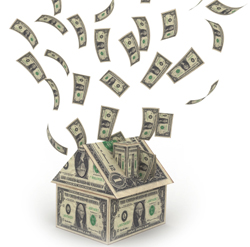 One of the first stages during
the hunt for a new home is crunching the numbers to figure out your budget.
And no matter how high or low that budget may be, prospective homebuyers
should take into consideration the cost of insuring the home. One of the first stages during
the hunt for a new home is crunching the numbers to figure out your budget.
And no matter how high or low that budget may be, prospective homebuyers
should take into consideration the cost of insuring the home.
It's easy to overlook
insurance, especially since you may be more worried about the number of
bedrooms, the school district, or the size of the backyard. But before you
can close on the purchase, your lender will require you to line up homeowners
insurance. You may be hit with some sticker shock if the home you are about
to buy ends up being a high risk- and therefore high cost- home to insure.
Once you’ve got a few homes
in your sight, you should get some preliminary home insurance quotes on each
property. Just as you will compare asking price and property taxes- figure
your insurance costs into the equation as well. Even homes of similar size
and style can vary greatly in terms of cost to insure.
Here are a few
lesser known home features that affect insurance costs:
Location- The location of a home will have a huge impact on the
insurance premiums due to the proximity to a fire station, the fire station
ratings and the flood zone it’s located in.
§ When you shop for
homeowners insurance you will be asked how close the home is to a fire
hydrant and to a fire station. In the event of a fire, the quicker the fire
department can respond to the home, the less damage will be incurred. The
average claim for a residential fire exceeds $33,000, according to the
Insurance Information Institute (III). Therefore insurers typically charge
lower premiums for homes within a close proximity of each.
§ Fire stations in
each community each have a specific fire protection class rating which also
affects the home insurance premiums on a home.
§ Last but certainly
not least, the specific type of flood plain that a home is located in may
require you to carry a separate flood insurance policy in order to obtain a
mortgage. Flood insurance is recommended for all properties, however, in
certain high-risk flood plains a flood insurance policy is not only required-
but the coverage could double your annual insurance spend.
Roofing- Ask your realtor about the home's roof. You'll want to know
how old it is and the material it's made of. Roofs that are 20 or more years
old can be considered high risk and may be expensive to insure. Replacing a
roof also can be costly so you'll want to weigh the pros and cons. Newer
roofs, built with impact-resistant material, are ideal. These roofs are made
to withstand nature's harshest elements, and they can also qualify homeowners
for more preferred home insurance policies.
Swimming Pool- You might be looking specifically for a house with a pool but
you should know swimming pools can drive up your insurance premiums. Accidents
frequently happen in and around pools so insurance companies see them as a
high-risk home feature. Remember, you can be held liable even if a trespasser
has an accident at your pool. For this reason, homes with swimming pools
located on the property should meet all local safety codes and carry high
limits of liability coverage.
Age- The age of the home can also affect your premium. Typically
older homes have outdated electrical wiring and plumbing systems, which can
lead to fires or water damage. If you are considering an older home, ask your
realtor the age of the plumbing, HVAC and electrical systems. If they have
been updated in recent years, this is important to note with your insurance
agent. If not, make sure you know what this may cost you in additional
premiums and to upgrade in the future.
Security equipment- Security equipment is a plus for obvious reasons- items such
as burglar alarms, deadbolt locks, and smoke alarms can make your home a
safer environment. In addition, insurance providers offer discounts for homes
featuring these items. In fact, you could save 10% or more on your premium.
Take note of the types of safety devices in the homes you are comparing so
you can get accurate discounts figured into your insurance rates.
You likely won't make a
decision on a house because of insurance factors alone. But it's best to have
an idea of where you stand as you consider your options. Start by checking
out average home insurance rates in your state. Then work with an agent you
can trust to compare quotes on various properties. An educated search can
help you find the home of your dreams and home insurance premiums that won't
break the bank.
 |
|
You are subscribed
to email updates from The KCM
Blog
To stop receiving these emails, you may unsubscribe now. |
Email delivery powered by Google
|
|
Google Inc., 20 West
Kinzie, Chicago IL USA 60610
|
|


No comments:
Post a Comment